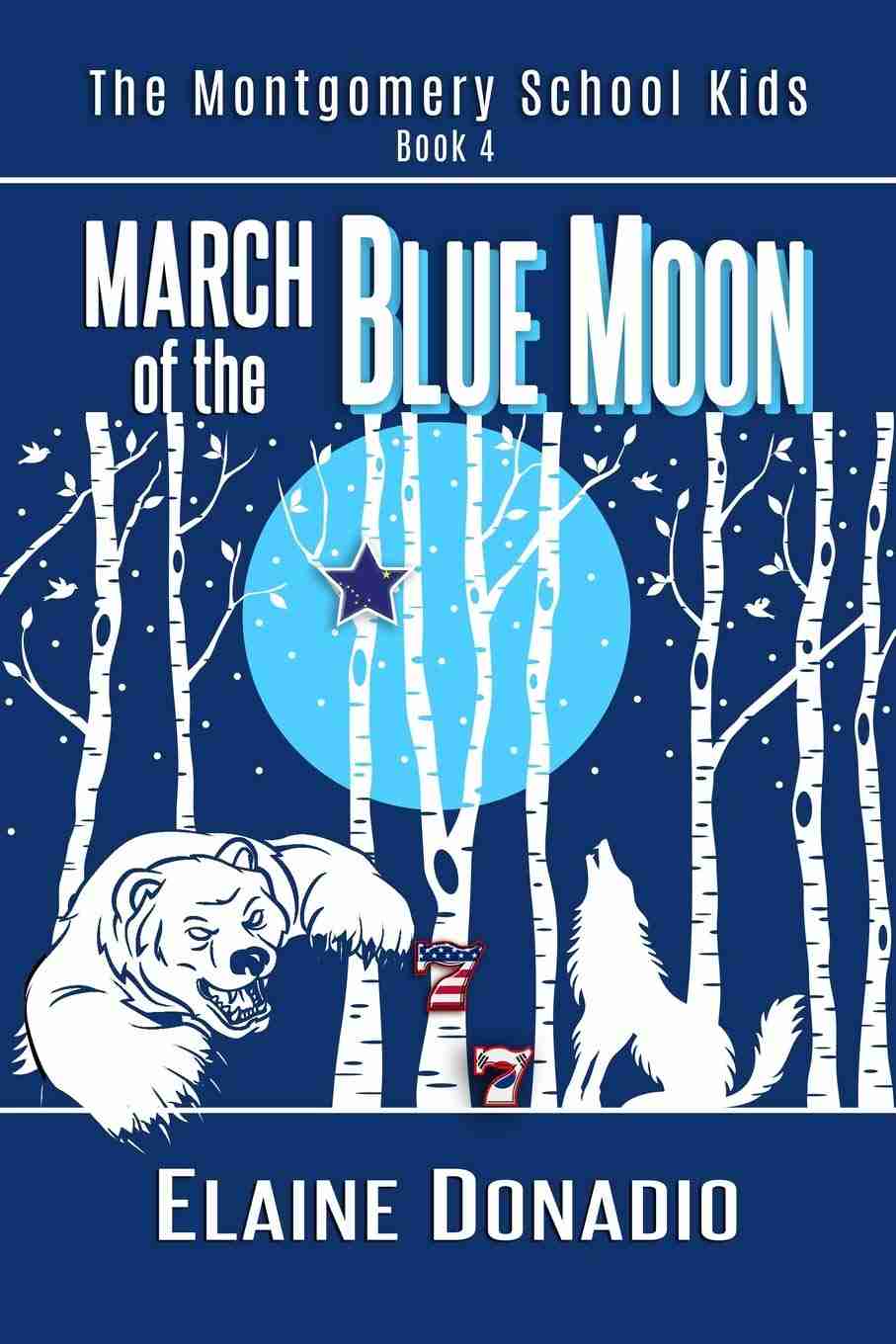
“March of the Blue Moon” (The Montgomery School Kids) by Elaine Donadio

Eleven- year-old New York City boy Nestor Ramirez reunites with his father in Alaska on a journey of discovery, adventure, self-realization, and goal setting. With his good friend Kwan Min Park in tow, the boys visit the sites as they learn about the balance of nature and its precarious effects on the environment. Nestor finds role models to help him focus on GOALS – Go Out And Learn Something. In the end, Nestor’s self-esteem is raised to the point where even he likes himself.Readers can visit my website/blog elainedonadio.com to drop down the free study guides containing open-ended questions in alignment with state standards for science, social studies, and literacy.
Posted On :

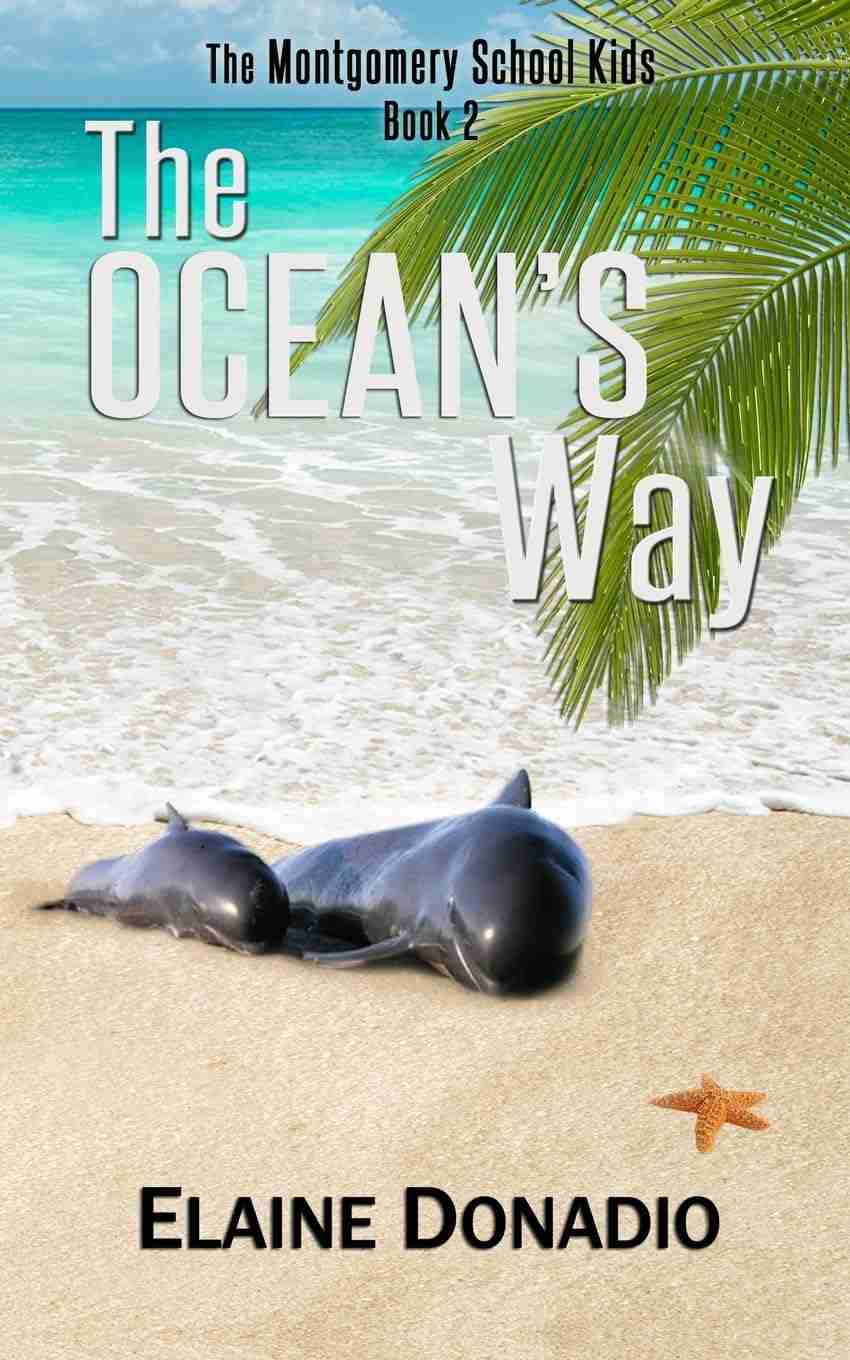
“The Ocean’s Way” (The Montgomery School Kids) by Elaine Donadio

For Middle Grade readers. What begins as a light-hearted adventure ends as a commitment, when eleven year old New York City girl Holly, uses her passion for poetry to win a grant writing contest to study marine life in Florida during Christmas vacation with her best friend, Jasmine. Holly looks forward to leaving the gray, winter skies of New York City behind. She imagines a carefree, fun in the sun adventure, but her optimism is short-lived.Her fear of public speaking is highlighted as Holly learns she must present her findings at a school assembly program. Jasmine’s family problems and her fear of flying and swimming create obstacles to Holly’s idyllic expectations.The contrast between the girls is heightened by revelations of their family lives and their different approaches to the world around them. Holly, the gentle poet, overcomes her fear of public speaking as she continues to grieve her father’s death. Jasmine, the seemingly self-assured realist, battles her fears while dealing with the consequences of her alcoholic mother’s neglect.Their friendship grows stronger as the girls accept each other’s differences and limitations.Environmental issues are understood and an appreciation of the balance of nature and the interaction between the animal world and the environment is gained, with visits to biomes and ecosystems, as they interact with dolphins, alligators, swamp wetlands and manatees. Holly vows to raise money to help stranded marine mammals as they participate in the heart-wrenching rescue of stranded pilot whales on Florida’s Gulf Coast.Throughout the story, questions are asked and answered in detail, as well-researched facts are imbedded in the dialogue and action. Since Holly writes poetry, some facts are written in unrhymed verse. Holly is particularly drawn to this world, and expresses interest in returning someday. She realizes the difference one person can make and hopes to be a catalyst for awareness and positive action.The girls accept awards for their multi-media presentation at their school assembly. When Holly is asked to make closing remarks, she walks on stage with confidence. She recites her poem, “The Ocean’s Way” which makes an analogy between the ebb and flow of the tide and the questions and answers churning in her head. She overcomes fears and personal disappointments to reach her goals. Holly now understands how keeping the environment in balance insures the continuity of all species.

Posted On :

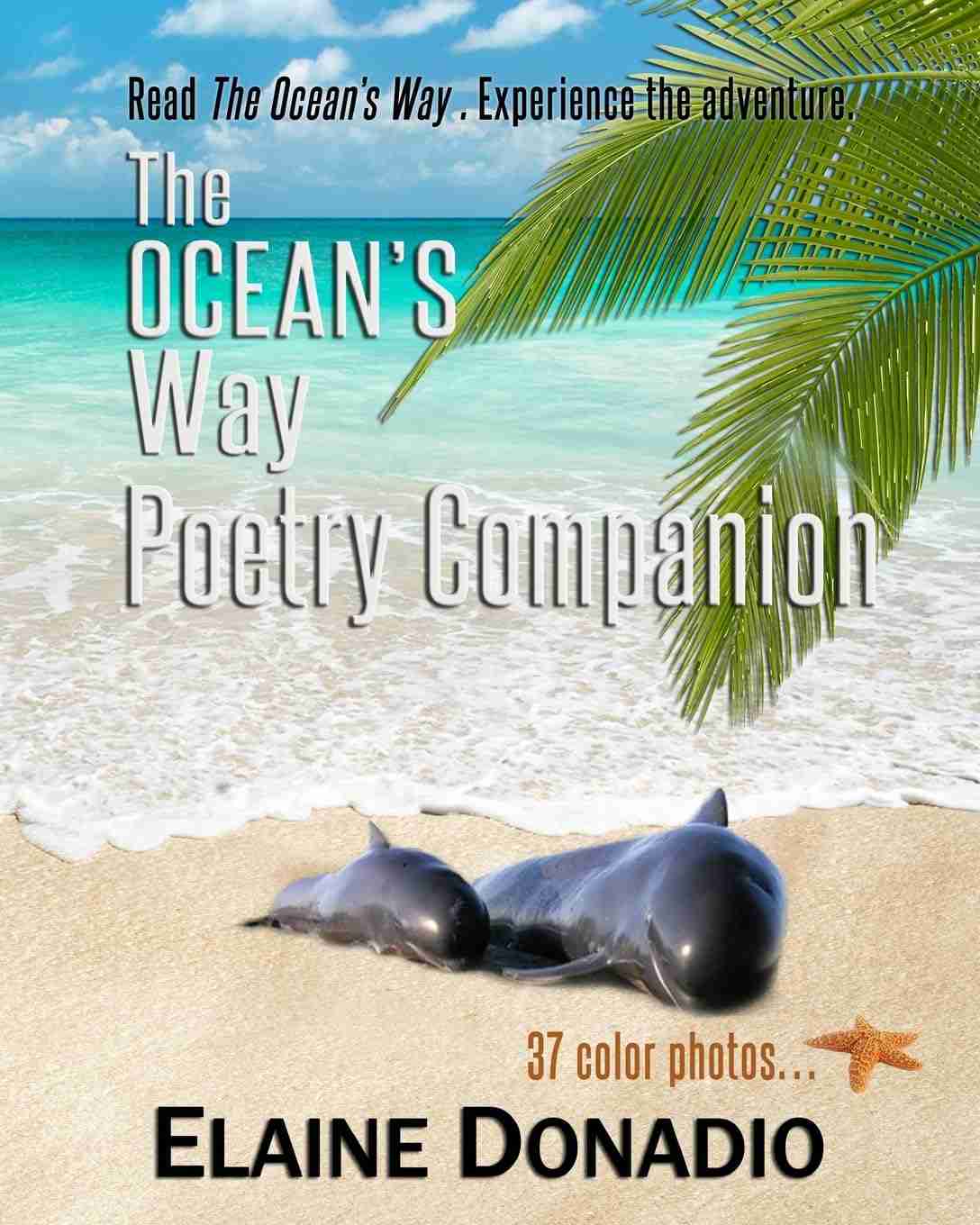
“The Ocean’s Way Poetry Companion” by Elaine Donadio

For Middle Grade readers. Enjoy a day at the beach as we walk through sand, jump the waves, hear sea birds calling to each other as sea creatures seek food and shelter in a wondrous, hidden ocean biome. This book can stand alone or act as a companion to “The Ocean’s Way” which tells the story of eleven year old Holly’s learning experience with marine life in Florida. A sample chapter appears after the Glossary. The book contains 37 unrhymed poems ( diamante, tanka, anagram) about the ocean and ocean life. Each poem is accompanied by a beautiful color photograph for visual impact. All facts are well-researched and concise. If the scientific classifications appear unfamiliar, in common terms the topics include coral reefs, sand, sea shells, tides, tsunami, waves, dolphins, orcas, manatees, pilot whales, polar bears, sea lions, seals, sea otters, walruses, whales, albatross, gulls, penguins, sea anemones, sea turtles, horseshoe crabs, rays, sea horses, sharks, starfish, crabs, crayfish, hermit crabs, lobsters, clams, squid, mussels, octopus and snails. The poems are organized alphabetically under the headings beach, marine mammals, marine birds, marine animals-cnidaria, marine reptiles, chelicerata arthropods, carnivorous fish, decapod crustaceans, cephalopod mollusks and mollusks. The Glossary contains definitions, parts of speech and a pronunciation guide. Experience the adventure.

Posted On :